When "automated link building" means drafting each ask and leaving the send to a person: what a technical B2B buyer should test before trusting an unlinked-mention ledger
Test the ledger's discovery, dedup, and audit trail before trusting any outreach queue.

Automated link building that drafts each ask but leaves sending to a person depends on more than careful approval. For a technical B2B buyer, the first test is whether the unlinked-mention ledger deserves trust. If discovery misclassifies pages, counts mentions twice, or misses them entirely, a polished outreach queue cannot repair the evidence behind it.
How the semi-automated link-building pipeline actually works, and where the ledger fits in it
The workflow starts with a site that has already written about the brand. Because the site has already chosen to write about the brand, a request for a link has more to build on than a cold pitch. The request is narrower than asking for coverage. It asks the publisher to connect an existing mention to the brand’s site, rather than first persuading the publisher that the brand belongs in the story.
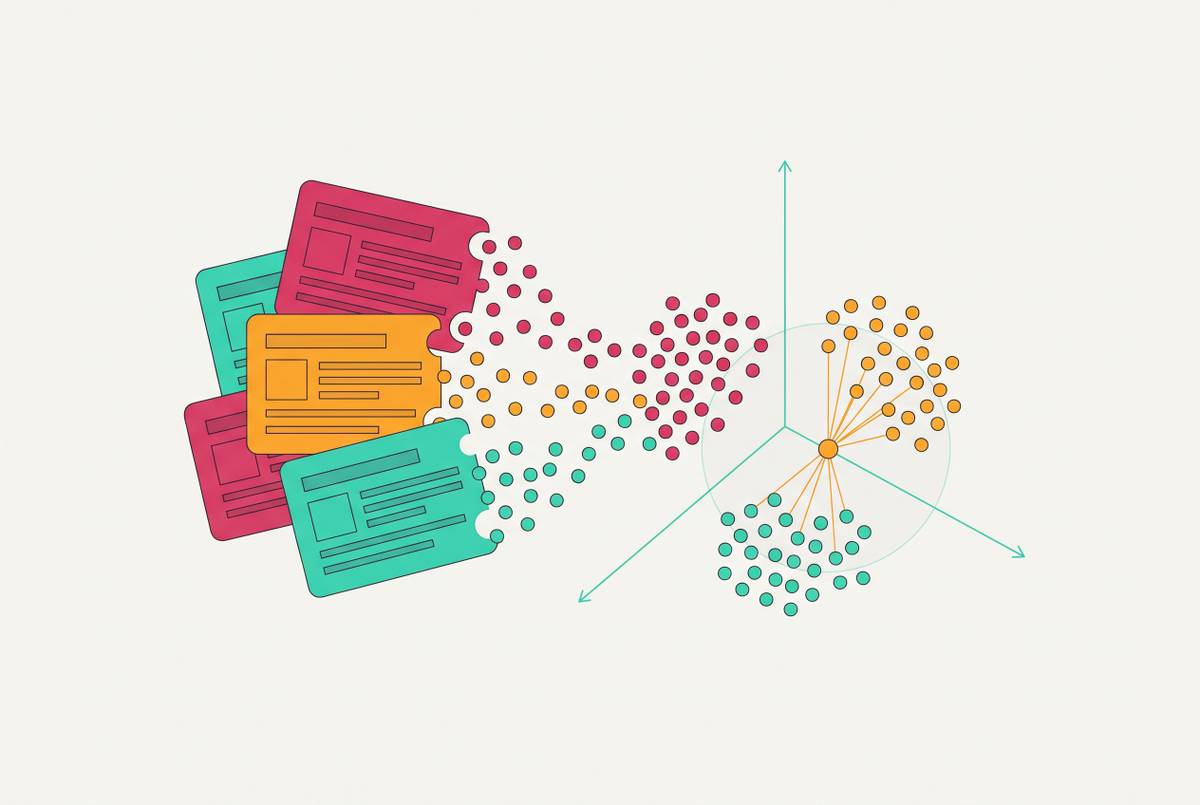
Automation handles surveillance and triage, collecting possible unlinked mentions into a ledger from which outreach opportunities can be selected. A person decides which mentions deserve drafts and which drafts get sent. The ledger is therefore the handoff between discovery and editorial judgment. Its rows define the opportunities the reviewer can consider, while the draft turns a selected opportunity into an ask.
Why the ledger is not a neutral record — the three failure modes that inflate or hollow it out
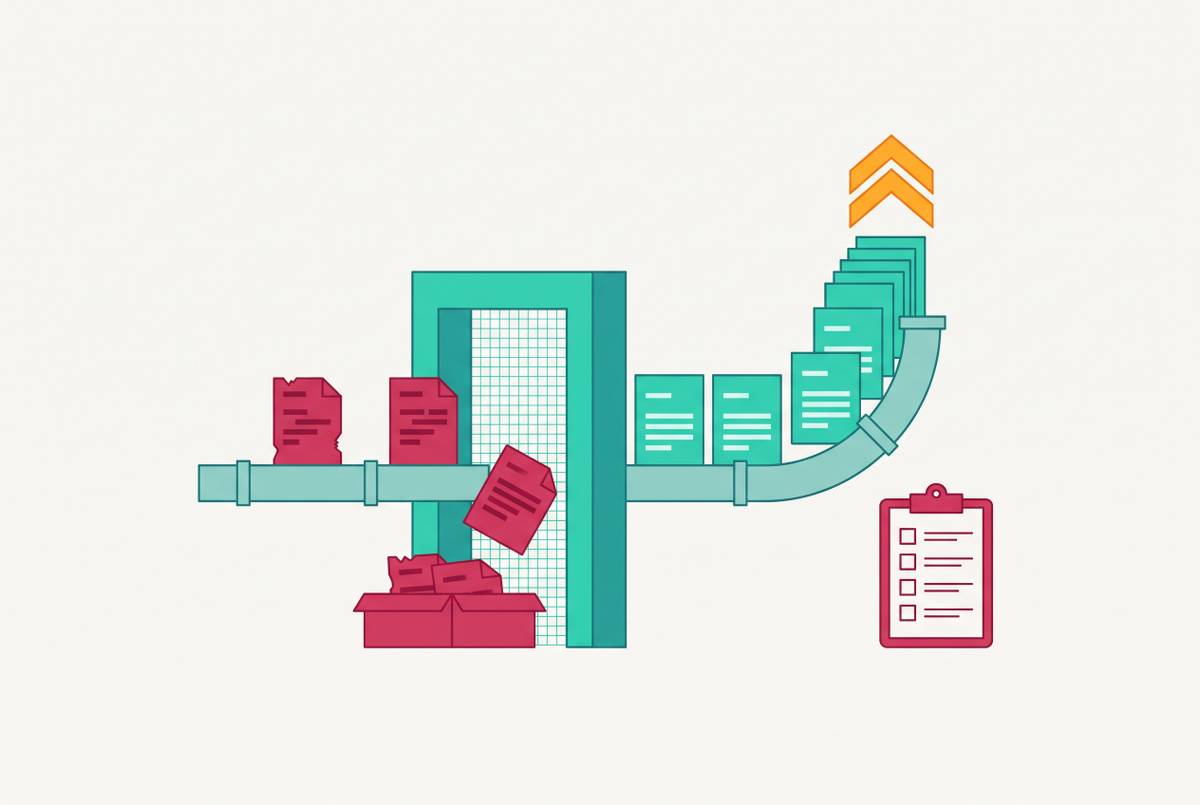
The system can store what it fetched without establishing that the fetched material contains a real, relevant mention. A catalog page, a placeholder, or a stale cache can become a row that looks like progress. To the reviewer, this false positive may look like a real opportunity until someone checks the page behind the row.
Missing rows create a less visible failure. A list call that stops at page one can look the same in the interface as a call that completed. Real mentions are then left out of the set of opportunities without an alert or error. What would prompt the reviewer to investigate? The queue offers no indication that there were more results to retrieve, so a clean-looking list can conceal incomplete discovery.
A third failure preserves the appearance of correctness even more closely. A row exists, its status is correct, and its URL responds, but the page it names has nothing to do with the brand. The draft is then written for a phantom opportunity. Checking that a URL works is not the same as checking that it identifies the relevant mention.
These failures expose the limit of approving outreach one draft at a time. A reviewer may spot a page that has nothing to do with the brand by opening it, but reading the queue alone cannot bring back missing results. Nor does approval itself reveal how discovery classified each row. Human review has a limited field of view. The ledger must therefore be audited independently before it becomes the basis for an outreach queue.
The page-vs-domain resolution problem that can obscure real link status
Link status needs a clearly defined unit. Does “unlinked” describe the page containing the mention, or the whole domain that hosts it? Those are different claims. A page can mention the brand without linking to it while another page on the same site already includes a link. An outreach request that ignores that distinction can reach a publisher who reasonably believes they have already linked to the brand.
Ahrefs Content Explorer’s “highlight unlinked domains” feature works at the domain level. That makes its flag different from a finding about a particular page. The distinction also cuts both ways. A domain-level view can hide an unlinked page on a site that already links to the brand, while a page-only view can miss the publisher’s links on other pages. Neither status should silently stand in for the other.
To test that boundary, export the ledger and select a representative sample of rows. Check each row’s page-level link status with a page-level tool such as Screaming Frog before building the outreach queue. Keep the two questions separate during that check. Does the named page contain the relevant unlinked mention, and does the publisher already link to the brand elsewhere?
What to check in the ledger’s own deduplication and variant-coverage logic
Pull the same known mention through two separate crawl runs and check that it appears exactly once. Test separate crawl paths for the same reason. Without deduplication, each time discovery finds the same mention it adds another row, so the outreach queue grows with no new opportunity. A reviewer should not have to infer from similar drafts that two rows describe the same mention.
Variant coverage requires a different test. Configure the system to watch the forms the brand actually takes, including common misspellings, abbreviations, product names, and founder names used as brand proxies. Then run a known mention using a variant through discovery and confirm that it appears. Exact-string matching can look precise while leaving real high-authority mentions out of the ledger.
What an audit trail must record for the human reviewer to have meaningful oversight
Passing a sample test does not explain every later row. For ongoing oversight, the reviewer needs to know when a mention was discovered, which crawl path reached it, which query surfaced it, and whether page-level verification followed. Without it, the reviewer can judge the wording of an ask but has little basis for judging the discovery decision that produced it.
The audit trail should record the discovery timestamp and the source query or alert configuration. It should also retain the page URL and its link status at the time of discovery, rather than leaving the reviewer to guess what the system originally found. The deduplication key belongs in the same record. It shows what stopped, or should have stopped, discovery from turning the same mention into more than one opportunity. The record should also show any verification done before the row entered the outreach queue.
The practical standard is a queryable history for any given row. Can a reviewer trace the proposed ask back to the evidence that justified it? The absence of a queryable audit trail is disqualifying.
How the discovery layer’s coverage gaps extend beyond the web into AI-generated answers
A B2B prospect may ask an AI assistant for a shortlist of software before going to any website. A brand absent from that response is missing at an early, high-intent decision point. No error in web-page discovery is needed for that gap to exist. It follows from measuring one surface while the prospect encounters another.
The unit of success changes on that surface. In a generated answer, visibility means a brand mention or citation within a synthesized response. There is no equivalent unlinked-mention ask for an answer that does not cite the brand. Citation rates also differ by engine, so strong linking on the open web does not establish strong representation in AI responses. A web ledger cannot settle that question.
Access is another part of the scope check. The relevant agents include OpenAI’s GPTBot, OAI-SearchBot, and ChatGPT-User, Perplexity’s PerplexityBot and Perplexity-User, Googlebot for AI Overviews, and Anthropic’s ClaudeBot, Claude-SearchBot, and Claude-User. Their roles are not interchangeable. Anthropic distinguishes ClaudeBot for training, Claude-SearchBot for search indexing, and Claude-User for user-initiated fetches. A robots.txt review therefore needs to address access for the relevant search and retrieval agents, rather than treating content quality or link count as evidence that the content is accessible to them.
What measuring AI answer-engine visibility actually requires, and why it differs from monitoring web mentions
AI visibility measurement begins with buyer-intent prompts. The measurement layer needs to send the same prompt set to each engine on a schedule and save every response. Each answer then needs to be checked for the brand name, where it appears, which competitors it names, and which URLs it cites. The saved response is the evidence. Without it, a reported visibility result is harder to interrogate for much the same reason that an unexplained ledger row is.
A buyer should demand four separate metrics, namely mentions, citations, AI share of voice, and sentiment. A mention records that the brand name appears, while a citation records that a URL is sourced in the answer. They are not interchangeable measures of success. Keeping them separate allows the buyer to distinguish being discussed from being used as a source, and the two can call for different interventions. Sentiment adds the further question of how the answer presents the brand.
Sight AI tracks brand mentions across models including ChatGPT, Claude, and Perplexity, and classifies sentiment as positive, neutral, or negative. It also creates content meant to fill the gaps that monitoring finds. A buyer weighing such a system still needs to ask whether the stored answers back up what it reports. A tool’s breadth does not remove the need for an audit trail.
Perplexity’s source list helps with checking an answer because it names the URLs that answer used. It serves a role similar to a referring-domain report, showing which third-party content is shaping that response. That evidence can connect measurement to publishing. A system that identifies citation gaps and produces and places citable content on relevant sources can close a loop the web ledger leaves open. Those sources include structured content on the brand’s domain, expert placements in high-authority publications, and platforms where AI crawlers index a lot of content.
The pre-commitment checklist a technical B2B buyer should run before trusting any automated mention system
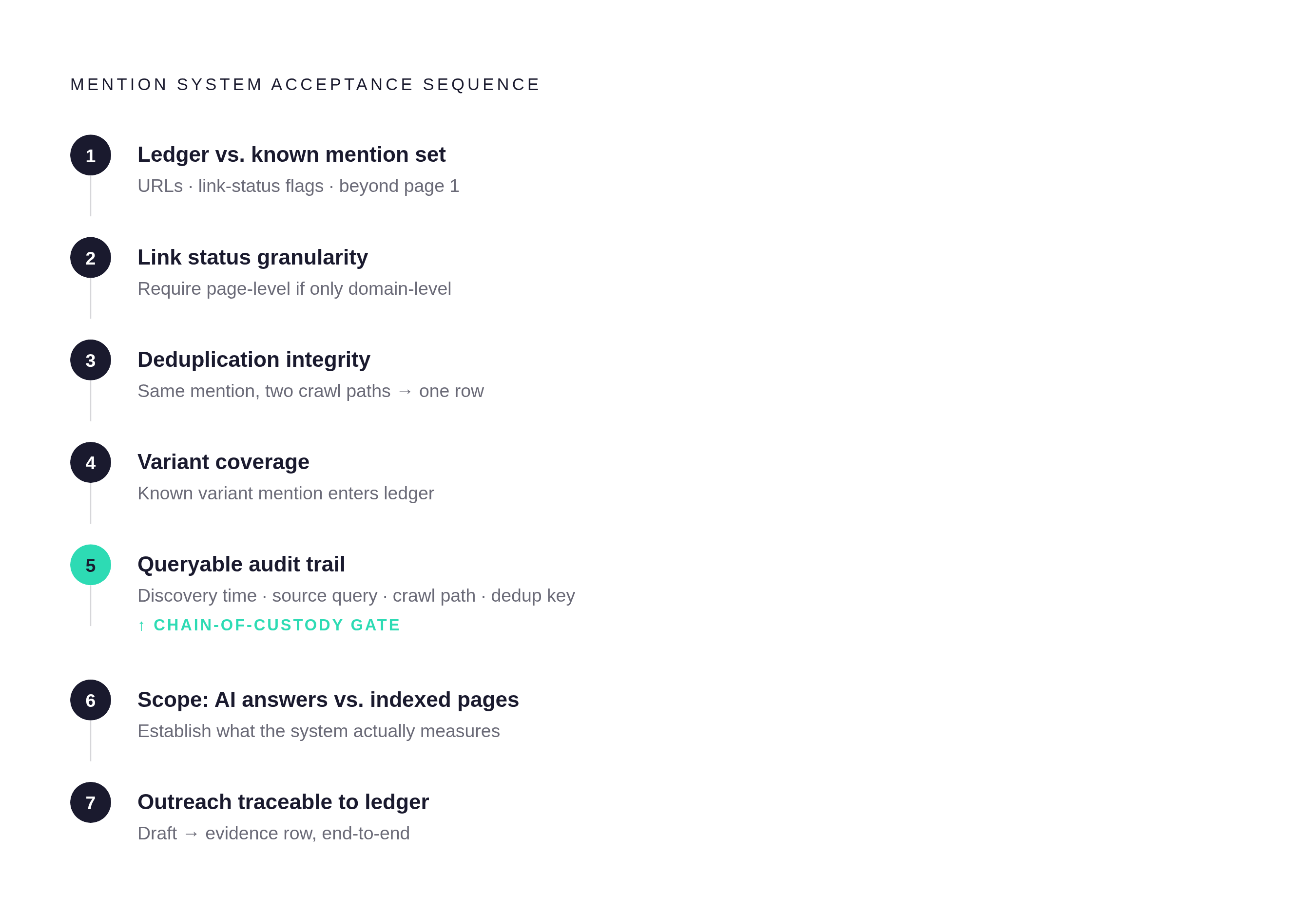
For the vendor conversation, turn these requirements into ordered acceptance tests. First, check the ledger against a known set of mentions and require exactly the rows expected, with the right page URLs and link-status flags. Inspect the pages. Include the completeness question in that test by establishing whether discovery retrieved the full result set, including results beyond the first page. A successful write is not the acceptance criterion.
Second, find out whether link status is set at page or domain level. If it is domain-level, require a page-level verification workflow before an outreach draft is generated. Third, show that the same mention found through separate crawl paths or crawl cycles appears as one row. Fourth, configure variant forms and demonstrate that a known variant mention enters the ledger.
Fifth, choose a row and ask for its queryable audit history. Require its discovery time, source query or alert configuration, crawl path, original page URL and link status, deduplication key, and completed verification steps. The history must show why the row was added to the queue. A draft that reads well cannot substitute for that record, because the reviewer’s decision concerns the opportunity as well as the prose.
Sixth, find out whether the system measures AI-generated answers or only indexable web pages. For web-only coverage, define a separate plan for scheduled prompt testing, saved responses, and distinct reporting of mentions, citations, AI share of voice, and sentiment. Seventh, ask the reviewer to trace a proposed outreach draft back to the evidence in the ledger. That is the final oversight test. Systems that pass help people make decisions faster while keeping the evidence they need to make those decisions.