Yuki Tran·
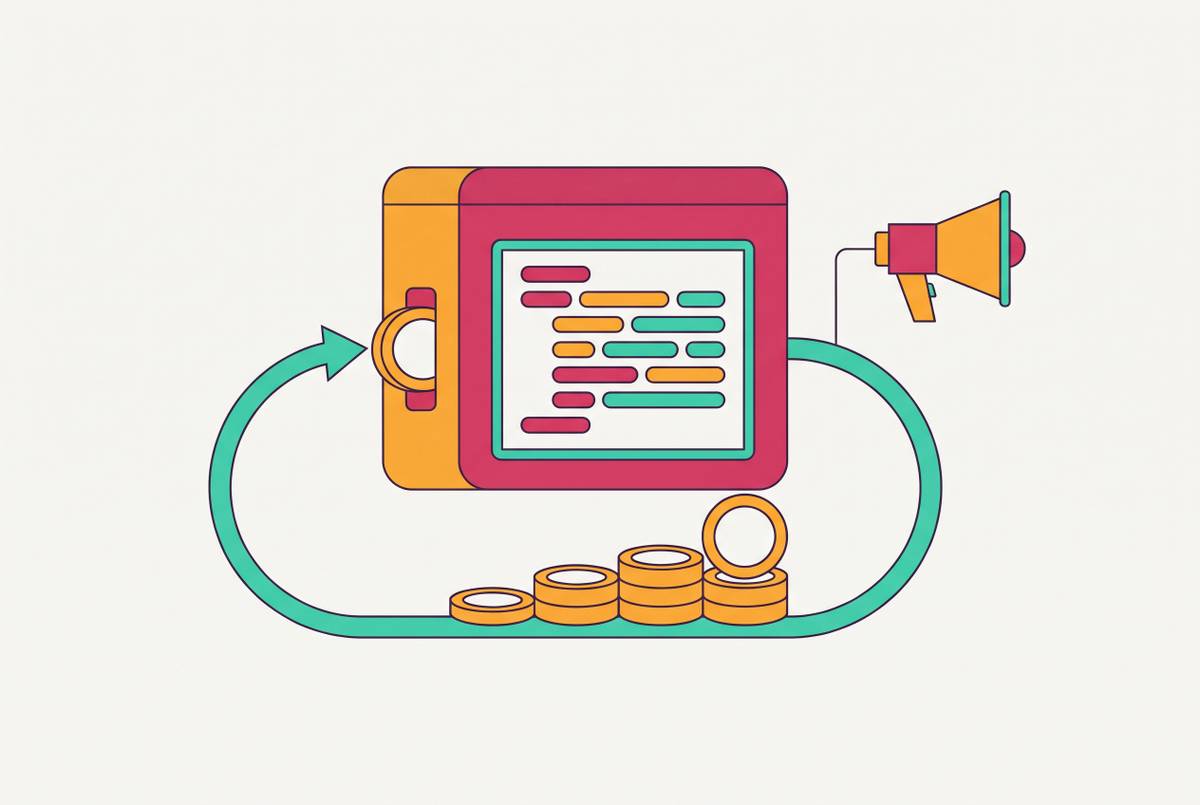
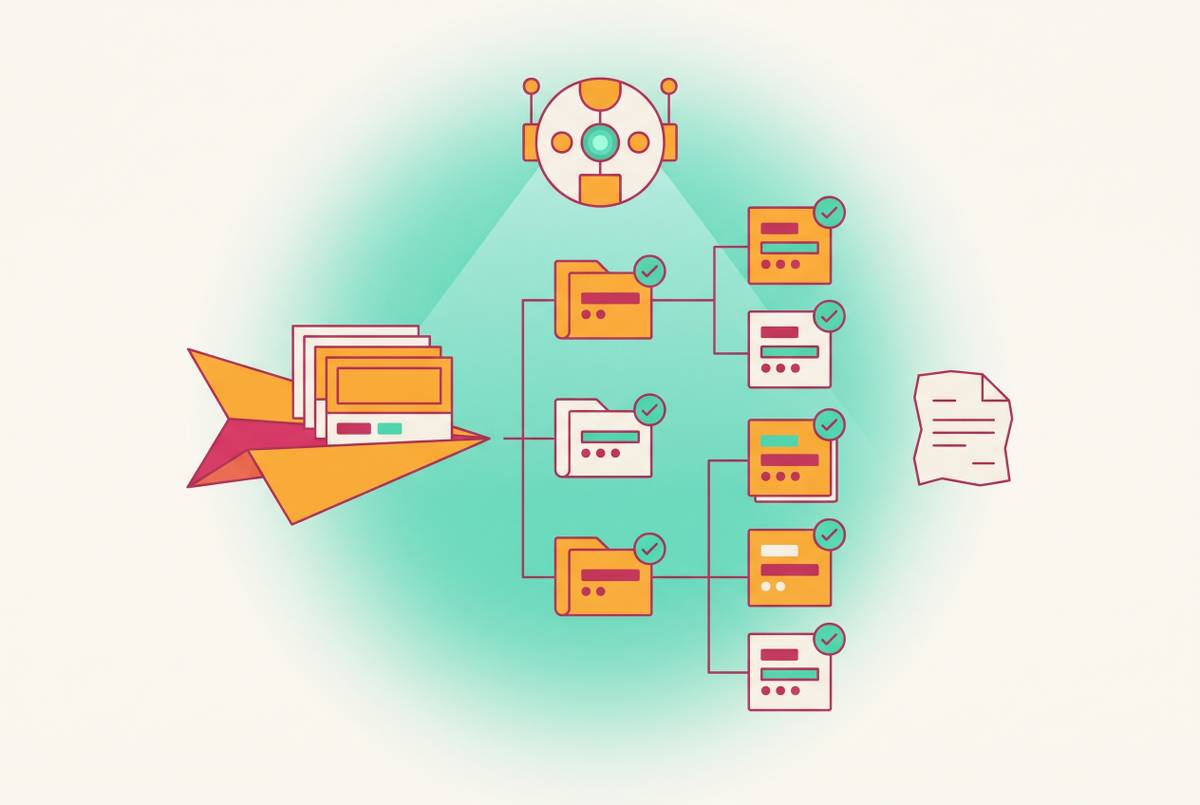
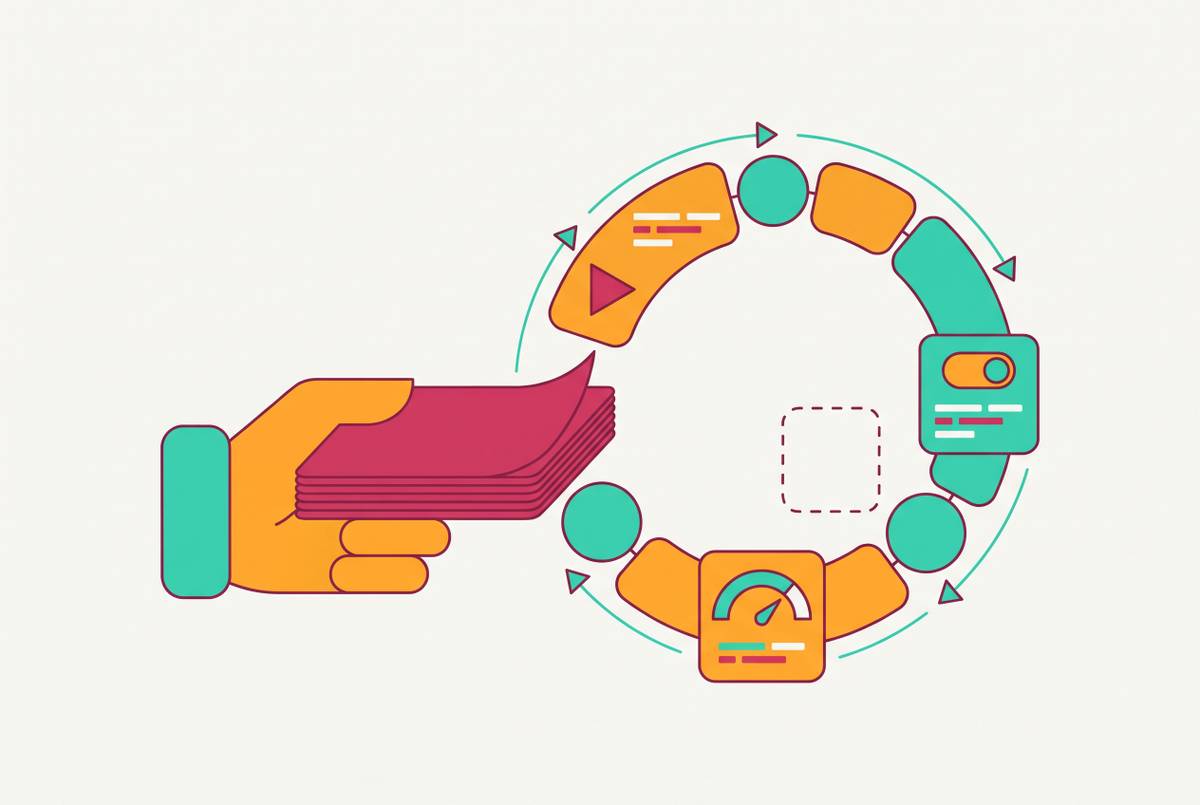
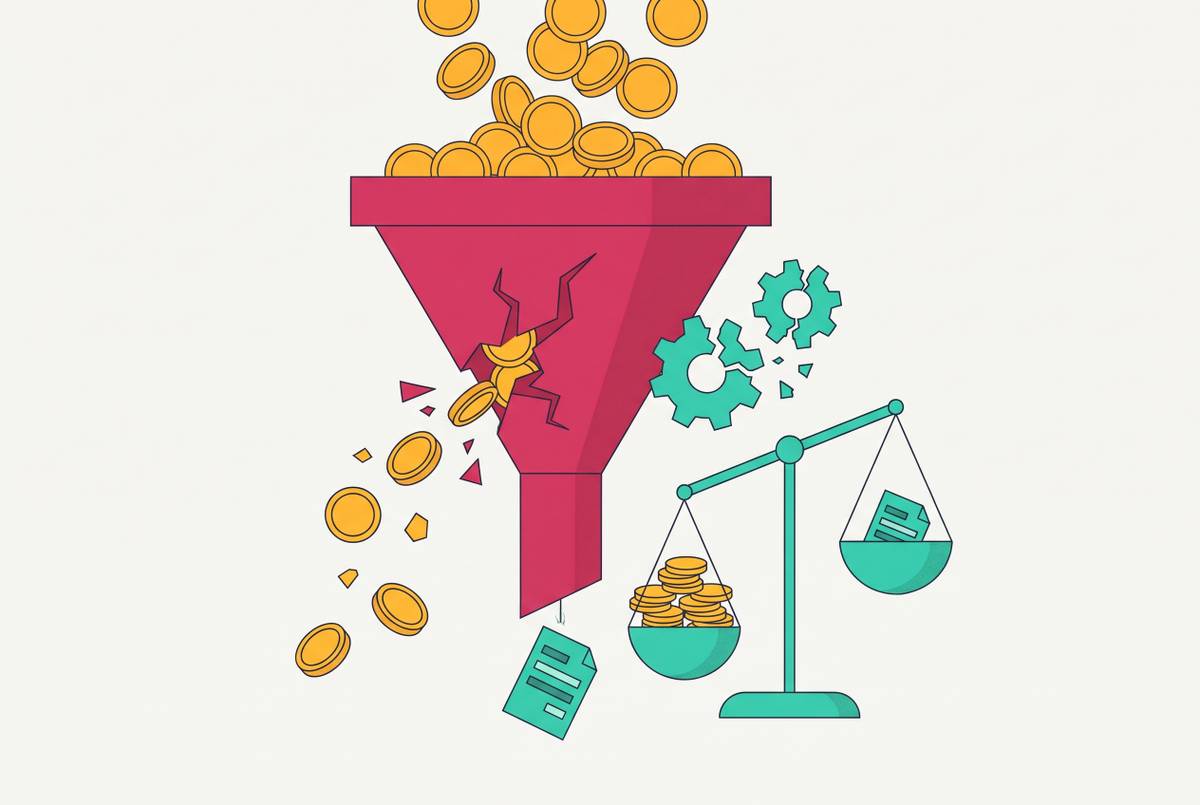
Growth hacking for a B2B startup, run for you or run by you: what a technical founder should ask before handing experiments to a service
Outsource the work if you must, but keep the data and decisions.
The latest in
Yuki Tran·
Outsource the work if you must, but keep the data and decisions.
Dmitri Obaseki·
Yuki Tran·
Margaux Osei-Bonsu·
Margaux Osei-Bonsu·
Seren Calloway·
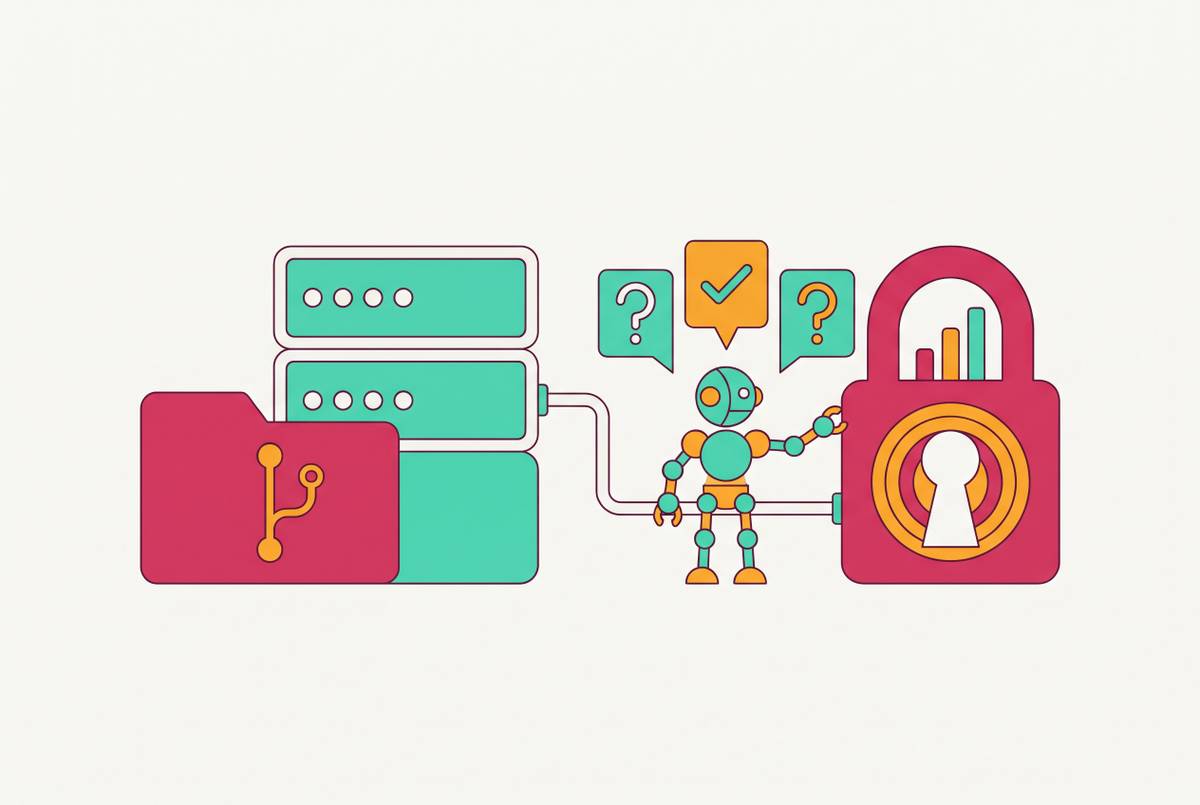
Buyers should demand proof of approval gates and credential ownership.
Yuki Tran·
Problem-shaped content can win AI citations, if you measure.
Seren Calloway·
A good AI writing tool needs source, coverage, voice, and approval layers.
Dmitri Obaseki·
Three tests show whether an ads agent's controls are enforced or only promised.
Margaux Osei-Bonsu·
GEO reports show where you're missing, but not who fixes it.
Margaux Osei-Bonsu·
Baseline your AI visibility first, then assign each SEO task.
Yuki Tran·
Ask whether a growth vendor's work is measurable and reversible.
Margaux Osei-Bonsu·
Free SEO tools are cheap until someone has to act on them.
Seren Calloway·
Owning the measurement layer, not renting activity, shows what drives revenue.
Dmitri Obaseki·
Five tests show whether workflow, AI visibility, or ownership is the real bottleneck.
Margaux Osei-Bonsu·
Audit discovery and docs first, so any agency gets a measurable spec.
Yuki Tran·
Five questions and proof tests reveal whether a provider has judgment or just capacity.
Seren Calloway·
A founder's checklist for telling real market-entry experiments from busywork.
Yuki Tran·
Five checks expose what a screenshared audit can't, and what GA4 never sees.
Seren Calloway·
Ask for the raw buyer questions, sample pages, and citation data first.
Seren Calloway·
Automation links the research steps but never validates them, so test each layer.
Dmitri Obaseki·
A founder should vet the operator's access, review and incident controls first.
Margaux Osei-Bonsu·
Buyers should test whether an AI agency's checks can stop bad work.
Margaux Osei-Bonsu·
Six checks let a technical buyer test an agency's voice and sourcing claims.
Yuki Tran·
Ask whether a service guards claims and measures citations.
Margaux Osei-Bonsu·
Ask who owns the experiments, data and accounts before signing.
Yuki Tran·
A founder's test plan for connector limits in permissions, scope, rows, and rate limits.
Dmitri Obaseki·
Check whether a cheap SEO vendor's reporting proves qualified demand.
Yuki Tran·
A Claude ads skill is only the method, so the real work is the infrastructure.
Seren Calloway·
Ask what runs before the gate, what the reviewer sees, and what rejection does.
Seren Calloway·
Four tests show whether brand files hold real decisions or just mood.
Seren Calloway·
A free five-test audit separates blocked pages from pages AI never cites.
Margaux Osei-Bonsu·
Search clicks mislead unless product and billing data share the same project.
Yuki Tran·
Three simple tests show whether a rival's AI visibility holds up.
Dmitri Obaseki·
Test the ledger's discovery, dedup, and audit trail before trusting any outreach queue.
Margaux Osei-Bonsu·
Repo access is only step one; here are the questions that test review, upkeep and agent-readiness.
Dmitri Obaseki·
Start with high-impression, low-CTR pages, and measure every edit.
Seren Calloway·
Test AI voice claims with a spec, blind samples and edit rate.
Yuki Tran·
Four records show whether AI time savings reach you or the agency.
Margaux Osei-Bonsu·
Check what AI crawlers actually receive from your pages.
Yuki Tran·
Before buying, check what each run read, how it was judged, and who approved it.
Dmitri Obaseki·
Machine-checkable tests for voice and sourcing show what human review alone cannot.
Dmitri Obaseki·
Generators, agencies and GEO fix different gaps, so match the product to yours.
Margaux Osei-Bonsu·
Five inspectable proofs separate agency builders from agency salespeople.
Dmitri Obaseki·
Persist click IDs from landing page to CRM, and ad spend becomes auditable.
Dmitri Obaseki·
Blind questions, saved runs and an edit diff turn AEO scores into evidence.
Margaux Osei-Bonsu·
Read a readiness score beside an unbranded answer test to see what's missing.
Margaux Osei-Bonsu·
Ask for a versioned, schema-driven file that stays in sync with the live site.
Seren Calloway·
A buyer's pre-read of Search Console, rendering, and AI access.
Yuki Tran·
Six show-level fields and two logs that make agency outreach auditable.
Dmitri Obaseki·
Buy a launch plan that hands you the measurement tools, too.
Seren Calloway·
Log each buyer, signal and message so replies can settle the plan.
Margaux Osei-Bonsu·
Design the signal-to-message loop first, then decide who runs it.
Margaux Osei-Bonsu·
Store page families and hub links as data, then fail the build when the live site drifts.
Dmitri Obaseki·
Treat an agent's report like a software build, with source checks and measured outcomes.
Yuki Tran·
Audit the missing pages, trace each to its failure stage, and fix by revenue impact.
Margaux Osei-Bonsu·
A ranking-focused SEO quote leaves out the cost of being cited.
Seren Calloway·
A script sorts each page and query into improve, write or links-first.
Seren Calloway·
Judge founder posts by which named buyer accounts return, not by likes.
Margaux Osei-Bonsu·
A script can flag which page titles to rewrite and test the results.
Yuki Tran·
Briefs built from your repo and changelog give writers and AI defensible facts.
Dmitri Obaseki·
A shared query table lets technical B2B teams test paid spend against organic defaults.
Yuki Tran·
Join Search Console, analytics and inquiries per page, then test the data before trusting it.
Margaux Osei-Bonsu·
Normalize any SEO quote by pages, fixes, and what you keep.
Yuki Tran·
Price and churn set what a customer can cost before you test a channel.
Seren Calloway·
A three-way URL diff shows whether your SEO problem is structural.
Seren Calloway·
A schema PR needs a page-by-page check that every JSON-LD value matches visible content.
Dmitri Obaseki·
A simple three-column log shows which introductions deserve more effort.
Yuki Tran·
Comparison and error pages decay with every release, so someone must own the diff.
Margaux Osei-Bonsu·
A seven-field log ties each AI sub-query to the page that answers it.
Margaux Osei-Bonsu·
A buyer who can read and query the account can audit any manager.
Seren Calloway·
Encode what a customer is worth and what you can pay.
Seren Calloway·
Every capability claim needs a link a buyer can actually inspect.
Dmitri Obaseki·
A single source-tagged table lets an agent propose budget shifts.
Dmitri Obaseki·
Detect zero-inlink pages in the build, block them, and review fixes.
Seren Calloway·
Encoding the weekly review as typed code makes marketing decisions repeatable.
Yuki Tran·
Write each objective as a bet with an owner, signal, and kill trigger.
Yuki Tran·
Tagged channel tests only measure buyers who got past the AI shortlist.
Seren Calloway·
A weekly loop of falsifiable channel tests that an agent can run.
Seren Calloway·
A placement ledger and per-placement landing pages show which borrowed audiences send buyers.
Dmitri Obaseki·
Pre-launch signals, check dates and kill rules turn waiting into a decision.
Seren Calloway·
Script the GSC export, diff link sources, and track AI citations.
Dmitri Obaseki·
A month-one SEO plan where each check gates the next page.
Margaux Osei-Bonsu·
Group queries by shared search results and AI-answer coverage.
Margaux Osei-Bonsu·
Diagnose which of five stages loses you the AI citation.
Yuki Tran·
A retainer's real value is what you can still run and measure afterward.
Seren Calloway·
Schema only formats answers; evidence and testing earn citations.
Yuki Tran·
A step-by-step method for tracing, fixing, and retesting wrong AI brand facts.
Seren Calloway·
Stage-level logging shows where an AI answer drops your brand.
Yuki Tran·
Explicit states and evidence gates keep a small content team's pipeline honest.
Dmitri Obaseki·
A record linking each buyer question to its page and outcome.
Margaux Osei-Bonsu·
A CRO audit is only comparable once the vendor writes down scope.
Seren Calloway·
A CRO fee buys test conditions, so audit your funnel first.
Seren Calloway·
Three scripted checks test whether your pages still earn visits.
Dmitri Obaseki·
Test two or three instrumented series first, then build the calendar.
Seren Calloway·
A repeatable pipeline maps buyer questions to URLs and AI citations.
Margaux Osei-Bonsu·
Automate SEO linting, but verify product claims separately before shipping.
Dmitri Obaseki·
A practical way to link brand familiarity to CRM pipeline.
Margaux Osei-Bonsu·
Write each positioning claim as a testable assertion, not copy.
Yuki Tran·
A founder's first week should wire up tracking, ICP, and site legibility.
Margaux Osei-Bonsu·
Write a hypothesis, decision rules, and a send log first.
Margaux Osei-Bonsu·
A repeatable protocol shows which brands AI assistants name and when rivals displace yours.
Yuki Tran·
Discrete, checkable claims help both buying committees and the AI tools that read for them.
Margaux Osei-Bonsu·
Fix your tracking first, or a headline test measures noise.
Margaux Osei-Bonsu·
Small teams can run ABM as a live, evidence-checked filter.
Yuki Tran·
A cited-or-not result is only the start of a diagnosis.
Margaux Osei-Bonsu·
Scope AI-run SEO and AI-answer citations as separate contracts.
Dmitri Obaseki·
Five testable stages show why AI search skips your docs and blog.
Seren Calloway·
A page score shows readiness, but only answers and visits show results.
Seren Calloway·
Five artifacts show whether "humans approve" is a working control.
Dmitri Obaseki·
Risk-tiered routing and logged decisions replace the human proofreader.
Yuki Tran·
Strategy decks describe a go-to-market motion; technical founders can build one that runs.
Seren Calloway·
Ask to see the weights, the evidence, and the rejected ideas.
Seren Calloway·
Before approving any merge, ask who controls access, costs, scope, and results.
Yuki Tran·
Write down your stop rule, economics, and evidence bar before spending a dollar.
Seren Calloway·
Set up your own tracking first, so the evidence stays after the agency leaves.
Dmitri Obaseki·
A Search Console split shows whether organic growth is discovery or just existing demand.
Dmitri Obaseki·
Owning the loop from trigger to deal shows which signals actually create pipeline.
Margaux Osei-Bonsu·
Third-party mentions only pay off if you can verify AI engines use them.
Seren Calloway·
Six ownership questions to ask before hiring a Google Ads consultant.
Margaux Osei-Bonsu·
Track cost per ICP-fit meeting to decide which events deserve funding.
Margaux Osei-Bonsu·
Bots, consent gaps and test leads can skew your results before any buyer converts.
Seren Calloway·
Ask vendors to show stored answer logs, not weekly call summaries.
Margaux Osei-Bonsu·
Keyword difficulty scores your rivals, so audit your own authority and AI citation odds.
Margaux Osei-Bonsu·
A defined measurement stack beats vendor labels and small spot-checks.
Yuki Tran·
Treating each growth experiment as versioned code lets learning run without meetings.
Seren Calloway·
A versioned acceptance test turns vendor claims into pass-or-fail checks.
Seren Calloway·
Technical buyers need content they can retrieve, test, and measure.
Yuki Tran·
Treat agency glossaries as evidence of framing, then test them.
Dmitri Obaseki·
Pick a thinking partner to define the problem, an engineer to build the system.
Margaux Osei-Bonsu·
Ask candidates about architecture, governance, and handoff before hiring.
Dmitri Obaseki·
Keyword volumes are guesses, so measure your own demand instead.
Dmitri Obaseki·
A per-query decision function for choosing Paid, Organic, or Split.
Yuki Tran·
Rank trackers miss AI citations, so B2B teams need both.
Margaux Osei-Bonsu·
Agency rankings can pick your launch partner, but not show whether AI recommends you.
Dmitri Obaseki·
Prompt limits, seats and integrations decide whether Semrush's bundle pays off.
Seren Calloway·
Integration counts and prices can't show who controls your marketing system.
Margaux Osei-Bonsu·
Seats, contacts and onboarding inflate year-one costs that agent-friendly metering avoids.
Dmitri Obaseki·
A founder's guide to comparing SEO services with self-serve tools.
Seren Calloway·
Ask what evidence each AI visibility tracker exposes before you buy.
Seren Calloway·
Pick tools by what survives the session: reviewed publishing and citation tracking.
Dmitri Obaseki·
A buyer's guide to testing GEO claims before trusting a vendor's checkmark.
Seren Calloway·
Draft grades can't show whether AI engines cite a startup.
Yuki Tran·
Jasper drafts and Surfer scores, but neither earns AI citations alone.
Dmitri Obaseki·
Feature checklists hide how costs scale and who owns your logic.
Dmitri Obaseki·
Track Bing rankings and Copilot citations as separate signals.
Yuki Tran·
Four checks separate software that runs production from software that only grades drafts.
Margaux Osei-Bonsu·
Semrush's MCP server turns an SEO subscription into a metered, read-only research layer.
Margaux Osei-Bonsu·
Compare what each SEO option really costs and what you keep.
Dmitri Obaseki·
Ask for a price, a measured gap, and a way to verify.
Seren Calloway·
Injected SEO fixes can vanish with the vendor, so check where changes live.
Seren Calloway·
Four defined handoffs carry competitor research through to a live page.
Yuki Tran·
Vendor rankings can still yield candidate names and criteria worth verifying.
Margaux Osei-Bonsu·
Vendor comparison pages are built to sell, so test their claims.
Seren Calloway·
Name the failing job first, then pick the tool that does it.
Seren Calloway·
Ahrefs and Semrush volumes are estimates, so check them first.
Dmitri Obaseki·
Five questions that separate a readable instrument from a polished weekly narrative.
Dmitri Obaseki·
A dashboard shows the gap, but only a named owner can fix it.
Seren Calloway·
Entry prices hide onboarding, add-ons and operator time, so compare cost to a working workflow.
Dmitri Obaseki·
Hybrid vendors vanish from AI shortlists when software and people blur.
Seren Calloway·
Owning the judgment layer, not the plumbing, is what marketing teams should demand.
Yuki Tran·
Teams-based AI agents speed up marketers, but only APIs own workflows.
Margaux Osei-Bonsu·
Measure AI answers before launch day, or you can't prove what changed.
Yuki Tran·
Compatibility is just the floor, so here are five questions that separate AI-visibility platforms.
Margaux Osei-Bonsu·
Sentry's AI-search surge shows how to measure and earn citations.
Dmitri Obaseki·
A practical audit for making pricing, fit and integrations machine-retrievable.
Seren Calloway·
Before buying, check whether the tool ties publishing to citations and revenue.
Seren Calloway·
Judge marketing intelligence tools by their data origins, not labels.
Yuki Tran·
A buyer's rubric built on prompts, raw data, and actionability.
Yuki Tran·
Wiring content checks into release gates keeps AI answers accurate.
Margaux Osei-Bonsu·
Scaling AEO across brands and markets takes code, an API and a warehouse.
Seren Calloway·
Test a vendor's four criticisms against both products, not just the rival's.
Margaux Osei-Bonsu·
Judge agentic platforms by autonomy, scope, and independent proof.
Margaux Osei-Bonsu·
Four tests of isolation, evidence, cost and approval before committing.
Seren Calloway·
Three vendor questions reveal whether an AI agent's autonomy is real.
Dmitri Obaseki·
Copying a competitor's playbook fails if agents can't use your site.
Yuki Tran·
Keep rules for repeatable steps and agents for changing data, with approval gating live changes.
Margaux Osei-Bonsu·
Spoofed AI crawler names are probing for credentials, so verify IPs.
Seren Calloway·
Citation data can steer agents, but only review makes their drafts safe to publish.
Seren Calloway·
Five hands-on probes expose relabeled chatbots before you sign.
Yuki Tran·
Buyers should judge agents on governance and auditability, not just output.
Seren Calloway·
Muse looks human to your tags, but server and CDN logs can tell the difference.
Margaux Osei-Bonsu·
Readable offer terms, not ad budgets, decide who makes AI shortlists.
Yuki Tran·
Database logging offers a test for whether growth agents can recover and be held accountable.
Dmitri Obaseki·
Agents shortlist vendors they can verify, so fix four evidence gaps now.
Seren Calloway·
Sorting AI prompts by buying stage shows where visibility wins deals.
Yuki Tran·
Business Hub counts only website-cited mentions, so fill the gaps.
Seren Calloway·
Answer engines can only compare plans if prices and rules are readable.
Seren Calloway·
A small ChatGPT study shows buyers choose from the AI's list.
Seren Calloway·
A new role is emerging to make brands retrievable by AI buyers.
Yuki Tran·
OpenAI's new dashboard counts mentions and clicks, but not rivals.
Yuki Tran·
Business Hub tracks only your wins, so here is how to measure the losses.
Yuki Tran·
Publishing proprietary, checkable facts earns citations that commentary can't.
Margaux Osei-Bonsu·
OpenAI's reported brand dashboard shows clicks, but not why.
Yuki Tran·
Buy the earned coverage and entity fixes that links alone can't deliver.
Margaux Osei-Bonsu·
Links get a source into the pool, but evidence earns the citation.
Margaux Osei-Bonsu·
Choose AI SEO tools by what an agent can call, not feature counts.
Dmitri Obaseki·
Clear link prices help buyers compare costs, but not AI citations.
Yuki Tran·
Three tests that separate a growth tool from a dashboard.
Seren Calloway·
Google now expects human fact-checking of AI content, metadata included.
Yuki Tran·
A practical guide to making docs pages accessible, extractable, and citable.
Dmitri Obaseki·
AI engines draw on three layers, and only the open web is yours to shape.
Margaux Osei-Bonsu·
Track which pages AI engines actually cite, then compare yours.
Dmitri Obaseki·
Google's new guide clarifies what earns AI answer citations.
Margaux Osei-Bonsu·
Track your brand's own AI mentions, citations, and traffic.
Yuki Tran·
A shared robots.txt token controls AI training, not AI citation.
Yuki Tran·
A diagnostic for separating AI Overview citations from recommendations.
Margaux Osei-Bonsu·
Quality gates catch weak pages before publication, making AI-generated content safe to scale.
Dmitri Obaseki·
Fixing stale facts requires aligning your website, Google Business Profile, and third-party sources.
Yuki Tran·
Fixing programmatic SEO requires solving the engineering layer, not just the content.
Seren Calloway·
Success depends on data quality and indexation monitoring, not just page templates.
Seren Calloway·
Proprietary data, not page generation, now determines programmatic SEO success.
Margaux Osei-Bonsu·
Marketing systems need engineering oversight to connect workflows and verify accuracy.
Seren Calloway·
Build growth systems, not hiring around one exceptional person.
Yuki Tran·
AI agents are changing how brands need to be discovered and evaluated in Asia Pacific.
Seren Calloway·
Separating training and retrieval crawlers prevents accidental citation bans.
Dmitri Obaseki·
Entity authority and ongoing expertise matter more to AI citations than formatting tricks alone.
Seren Calloway·
Machine-readable facts about your organization matter more to AI systems than persuasive copy does.
Yuki Tran·
Google's AI now selects passages over pages, rewarding claims that stand alone.
Seren Calloway·
Sparse or conflicting brand data makes AI systems fill gaps with false claims.
Seren Calloway·
Winning programmatic SEO now requires proprietary data, not template scale.
Margaux Osei-Bonsu·
Standard metrics measure only what users click, missing how AI actually surfaces your brand.
Margaux Osei-Bonsu·
Developers need to build infrastructure that makes content machine-readable for AI systems.
Dmitri Obaseki·
AI systems need to recognize your brand as a distinct entity before they'll cite it.
Dmitri Obaseki·
Reorganize marketing content into independently answerable chunks to survive AI retrieval.
Seren Calloway·
Brand mentions in AI answers measure visibility, not trust or customer behavior.
Yuki Tran·
The sources and tools around an AI model matter far more than the model's capabilities.
Seren Calloway·
CPG brands must build machine-readable data stacks to win AI search citations.
Margaux Osei-Bonsu·
Make your product discoverable to AI assistants evaluating vendor shortlists.
Yuki Tran·
AI recommendations favor visible, well-documented brands over quality or cost.
Dmitri Obaseki·
Solving answer engine visibility requires engineering infrastructure.
Seren Calloway·
Structured data in each language prevents AI from inventing different product descriptions.
Dmitri Obaseki·
Write differentiating claims into your pages, not just schema tags.
Margaux Osei-Bonsu·
CDN and firewall rules can block AI crawlers before robots.txt permissions ever matter.
Seren Calloway·
AI systems are confusing your product with outdated sources or competitors.
Seren Calloway·
Measure AI citations, not rankings, to understand your visibility in generated answers.
Dmitri Obaseki·
Visibility in AI answers depends on retrieval and authority, not just page formatting.
Seren Calloway·
Accurate content requires verification during production, not just at publication.
Yuki Tran·
Retrieval crawlers now determine visibility in AI answers—manage them separately from training bots.
Seren Calloway·
Getting into ChatGPT Shopping depends on data quality, not checkout optimization.
Yuki Tran·
Technical marketers need to build machine-readable content, not just chase search placements.
Yuki Tran·
Technical teams need content built for AI citation, not just human readers and market followers.
Seren Calloway·
Calendars ship content on schedule; roadmaps build authority that compounds over time.
Dmitri Obaseki·
Structure and validation turn content into reliable inputs for AI-powered answer engines.
Dmitri Obaseki·
SEO tools now treat link architecture as a measurable system, not an editorial checklist.
Margaux Osei-Bonsu·
Success depends on rich data sources, not better templates.
Seren Calloway·
Growth engineers have been doing this work for years, usually across the entire customer journey.
Yuki Tran·
Static operations can't evolve their presence when search results flow through AI citations.
Dmitri Obaseki·
The split between AI generators and control layers reveals production outpacing human judgment.
Margaux Osei-Bonsu·
Third-party mentions matter far more than domain authority for AI citations.
Seren Calloway·
AI models now decide which vendors buyers consider before sales gets involved.
Yuki Tran·
Brands must test whether AI crawlers can even access their content before optimizing how it reads.
Seren Calloway·
How Perplexity's two-phase pipeline rewires content strategy for technical teams.
Yuki Tran·
Search engines and AI agents need readable HTML, not JavaScript-rendered empty shells.
Dmitri Obaseki·
Technical marketers must optimize for Bing ranking and page-level grounding settings.
Margaux Osei-Bonsu·
AI answer engines now reward citation share over keyword rankings as the primary visibility signal.
Seren Calloway·
Build instrumentation to capture AI referral traffic that standard analytics misses.
Dmitri Obaseki·
Google's ranking model learns link weights from user behavior, not formatting rules.
Margaux Osei-Bonsu·
AI agents in marketing now need the same operational infrastructure as distributed software systems.
Dmitri Obaseki·
Measure citations in AI Mode, not clicks, to see where your brand actually appears.
Dmitri Obaseki·
Search engines rank by signals, not intent categories.
Margaux Osei-Bonsu·
AI engines follow a measurable four-stage chain to decide which brands they cite.
Yuki Tran·
Bustle's AEO playbook shows what works for publishers, not what brands should actually build.
Dmitri Obaseki·
Measurement alone won't close the gap between knowing what's missing and actually fixing it.
Yuki Tran·
Fixing sites for machines, not platforms, makes your content retrievable across all AI assistants.
Seren Calloway·
AI now shapes which vendors buyers consider before they visit your site.
Margaux Osei-Bonsu·
Retrieval, not writing quality, determines whether answer engines find and cite your content.
Dmitri Obaseki·
Reliable visibility requires systematic tracking across engines, not isolated screenshots.
Dmitri Obaseki·
Strong site architecture turns PR coverage into AI citations that rankings alone cannot guarantee.
Seren Calloway·
Brands need presence across all AI answer engines, not dominance on just one.
Yuki Tran·
Google must fix how it extracts content versus which sources it cites.
Margaux Osei-Bonsu·
AI answer engines now reward sites that build topical authority, not just publish volume.
Seren Calloway·
Technical founders can treat go-to-market as an engineering problem.
Yuki Tran·
AI answers now reward modular, measurable content over polished prose alone.
Yuki Tran·
Docs are your first sales surface with developers, not just a support cost.
Seren Calloway·
Connect production, discovery, and measurement into a working feedback loop.
Seren Calloway·
Computational marketing replaces scheduling with a pipeline that executes, measures, and adapts.
Yuki Tran·
Marketing output is becoming easier to produce; owning how you produce it isn't.
Dmitri Obaseki·
Agencies bundling distribution reveal that useful content alone no longer guarantees discovery.
Yuki Tran·
Schema markup and crawler access matter more than content rewrites for winning AI citations.
Seren Calloway·
Developer buyers test code samples, so broken examples cost more than silence.
Margaux Osei-Bonsu·
Focus on systems, not schedules, to build authority that wins in AI search results.
Dmitri Obaseki·
Measure where your copy appears in AI answers, not just where it publishes.
Dmitri Obaseki·
Programmatic systems link video production to distribution and measurement.
Yuki Tran·
Success in developer tools depends on working products, not just good writing.
Margaux Osei-Bonsu·
Thought leadership requires sustained systems, not one-off content briefs.
Seren Calloway·
Structure and sourcing matter more than prose polish in B2B research.
Yuki Tran·
Indexable infrastructure and AI-readable content matter more than SEO strategy alone.
Dmitri Obaseki·
Distribution through AI citations matters more than vertical expertise or content volume.
Seren Calloway·
Security buyers need verifiable claims and practical proof, not volume.
Seren Calloway·
AI drafts now replace commodity writing, leaving only review and expertise worth paying for.
Margaux Osei-Bonsu·
Technical buyers need internal control over AI discovery, not monthly agency retainers.
Seren Calloway·
Consistent brand requires building alignment into your content pipeline, not just your style guide.
Seren Calloway·
State machines replace the funnel's false flow with conditional buyer transitions.
Dmitri Obaseki·
Compounding content requires engineered systems, not launch checklists.
Yuki Tran·
Human curators and AI engines both reward depth, clarity, and proven expertise.
Seren Calloway·
Agents monitor competitors continuously, turning insights into faster strategic decisions.
Dmitri Obaseki·
Treating content strategy as complete at intake misses the ongoing work that builds real authority.
Yuki Tran·
Your blogging platform choice determines whether AI systems can find and cite your content.
Seren Calloway·
Publishing quality alone won't secure your brand's presence in AI-generated answers.
Dmitri Obaseki·
Owned content systems compound value where agencies reset monthly.
Yuki Tran·
Data-driven content strategy beats ad-hoc publishing for B2B lead generation.
Seren Calloway·
Founder-led experimentation beats agency retainers when product and message are still in flux.
Seren Calloway·
Structured courses become growth systems when designed for AI retrieval and behavioral tracking.
Yuki Tran·
Systems that measure and adjust beat those that just publish and wait.
Dmitri Obaseki·
Engineers need evidence and AI visibility, not just published pages and brand signals.
Margaux Osei-Bonsu·
Reusable content types and measurement help solo founders compete without venture funding.
Yuki Tran·
Technical buyers care about discovery, evaluation, and internal selling—not format labels.
Margaux Osei-Bonsu·
Technical content now compounds value through AI citations, not just human traffic.
Dmitri Obaseki·
AI's falling costs let technical founders build marketing engines as customized as their products.
Yuki Tran·
Treating Hugo themes as code ensures machine-readable output at scale.
Yuki Tran·
Start upstream with machine-readable content before organizing conversations in a CRM.
Dmitri Obaseki·
Developer content needs deliberate channels and timing, not just better writing.
Seren Calloway·
Docs are product decisions, not marketing outputs.
Dmitri Obaseki·
Measure what AI engines cite from your content, then use that data to improve your next round.
Margaux Osei-Bonsu·
Vendors need to shape AI answers before buyers arrive, not just optimize chat widgets for visitors.
Seren Calloway·
Measuring community's impact on product adoption and AI discoverability.
Yuki Tran·
Internal expertise on product knowledge and revenue metrics beats outsourced growth strategy.
Dmitri Obaseki·
AI answer engines, not blog rankings, now determine whether technical content reaches buyers.
Margaux Osei-Bonsu·
Integrating developer feedback, product, and measurement closes the loop marketing keeps missing.
Yuki Tran·
Community feedback needs structured routing, not manual triage, to drive product decisions.
Dmitri Obaseki·
DevRel drives growth when you measure activation and retention, not just community size.
Seren Calloway·
AI discovery happens outside your website now, and citation matters more than rankings.