Features·
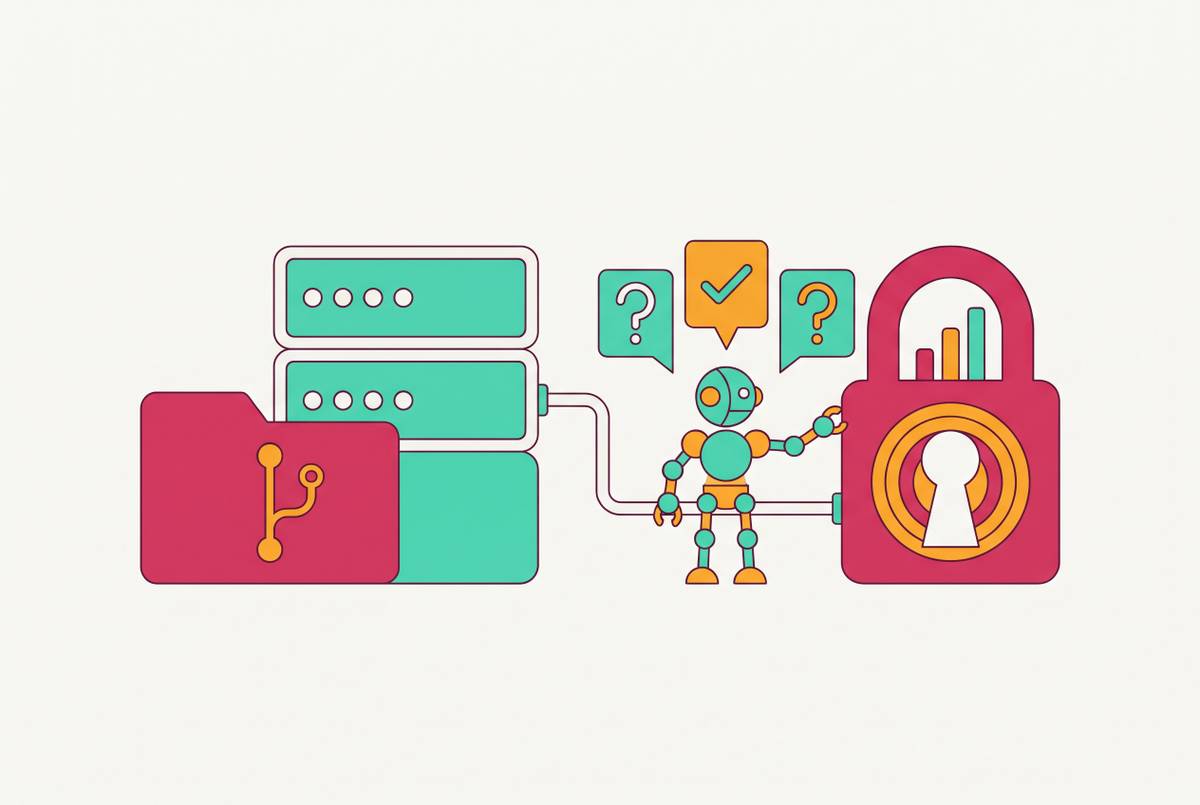
An ads MCP server that sits beside your repo: what technical B2B buyers should ask before letting a coding agent near their Google Ads account
Buyers should demand proof of approval gates and credential ownership.
Features·
Buyers should demand proof of approval gates and credential ownership.
Features·
Features·
Features·
Features·
Features·
Automation links the research steps but never validates them, so test each layer.
Features·
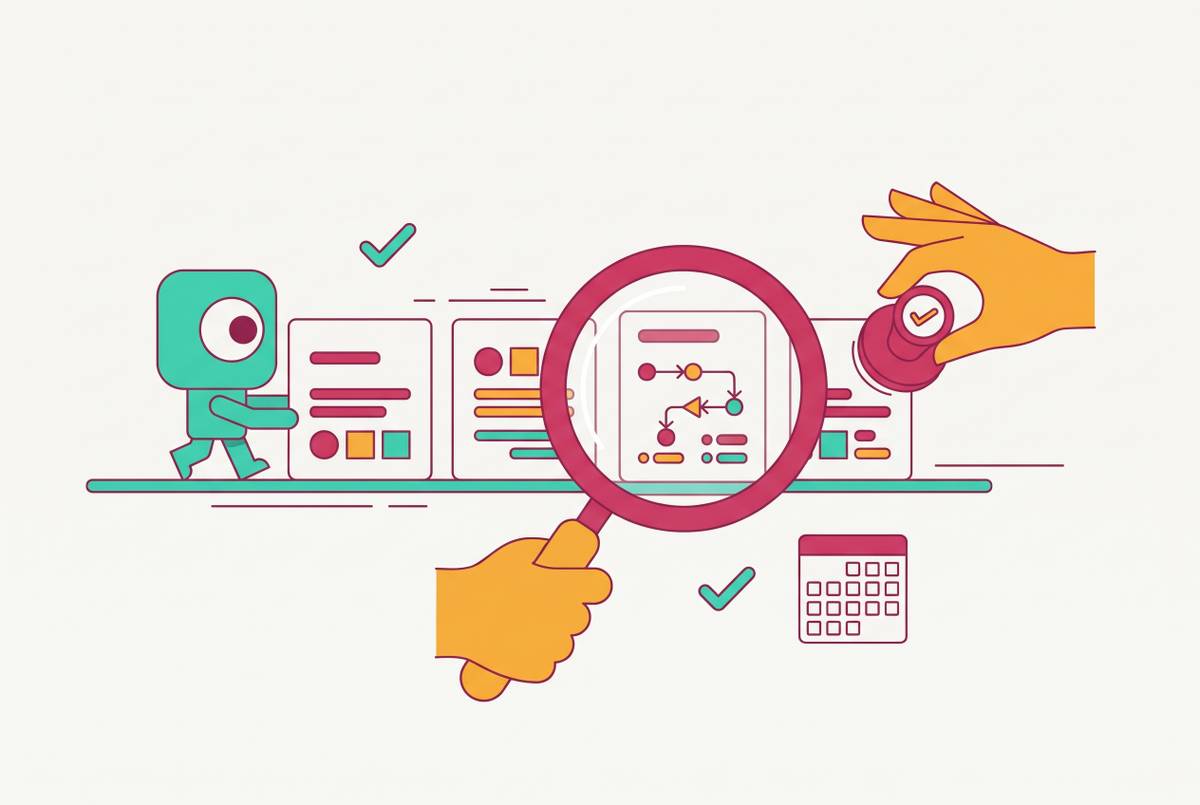
Ask what runs before the gate, what the reviewer sees, and what rejection does.
Features·
Four tests show whether brand files hold real decisions or just mood.
Features·
A free five-test audit separates blocked pages from pages AI never cites.
Features·
Test AI voice claims with a spec, blind samples and edit rate.
Features·
A buyer's pre-read of Search Console, rendering, and AI access.
Features·
Log each buyer, signal and message so replies can settle the plan.
Features·
A script sorts each page and query into improve, write or links-first.
Features·
Judge founder posts by which named buyer accounts return, not by likes.
Features·
A three-way URL diff shows whether your SEO problem is structural.
Features·
A schema PR needs a page-by-page check that every JSON-LD value matches visible content.
Features·
Encode what a customer is worth and what you can pay.
Features·
Every capability claim needs a link a buyer can actually inspect.
Features·
Encoding the weekly review as typed code makes marketing decisions repeatable.
Features·
A weekly loop of falsifiable channel tests that an agent can run.
Features·
A placement ledger and per-placement landing pages show which borrowed audiences send buyers.
Features·
Script the GSC export, diff link sources, and track AI citations.
Features·
Schema only formats answers; evidence and testing earn citations.
Features·
Stage-level logging shows where an AI answer drops your brand.
Features·
A CRO fee buys test conditions, so audit your funnel first.
Features·
Three scripted checks test whether your pages still earn visits.
Features·
A repeatable pipeline maps buyer questions to URLs and AI citations.
Features·
A page score shows readiness, but only answers and visits show results.
Features·
Five artifacts show whether "humans approve" is a working control.
Features·
Ask to see the weights, the evidence, and the rejected ideas.
Features·
Before approving any merge, ask who controls access, costs, scope, and results.
Features·
Set up your own tracking first, so the evidence stays after the agency leaves.
Features·
Six ownership questions to ask before hiring a Google Ads consultant.
Features·
Ask vendors to show stored answer logs, not weekly call summaries.
Features·
A versioned acceptance test turns vendor claims into pass-or-fail checks.
Features·
Technical buyers need content they can retrieve, test, and measure.
Features·
Integration counts and prices can't show who controls your marketing system.
Features·
Ask what evidence each AI visibility tracker exposes before you buy.
Features·
Pick tools by what survives the session: reviewed publishing and citation tracking.
Features·
Draft grades can't show whether AI engines cite a startup.
Features·
Injected SEO fixes can vanish with the vendor, so check where changes live.
Features·
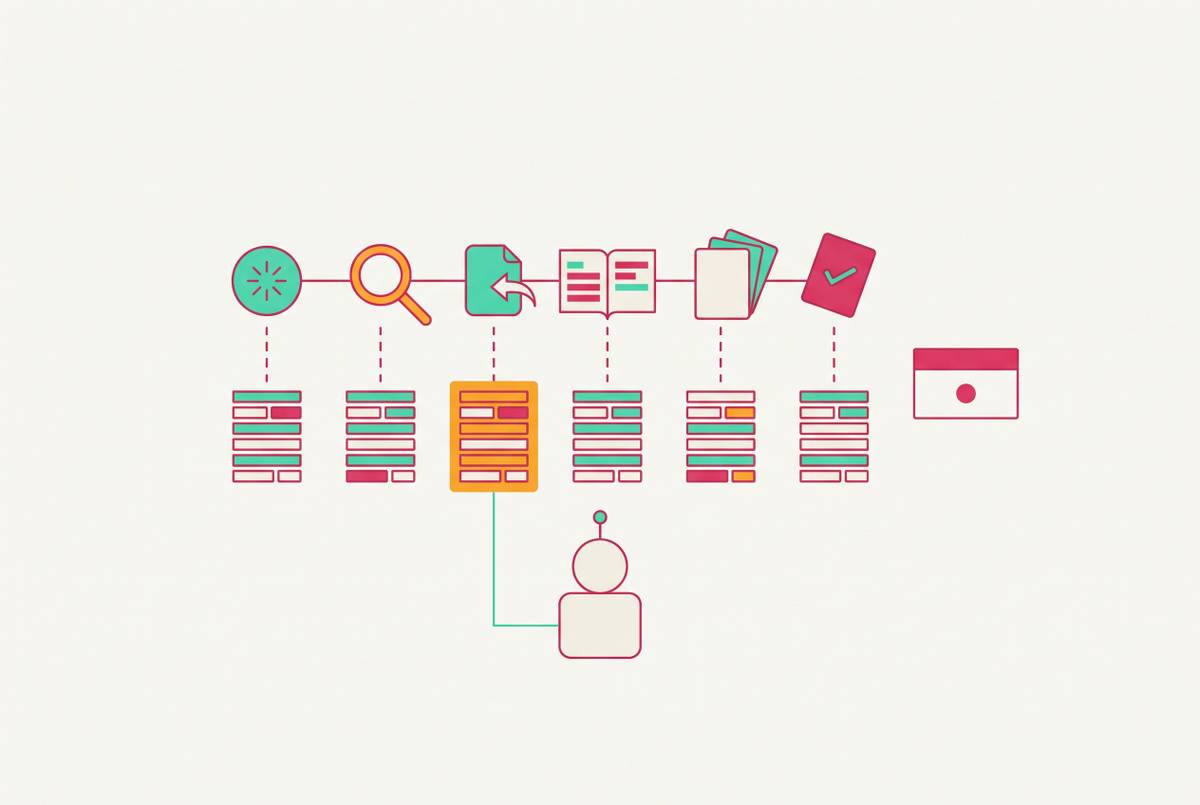
Four defined handoffs carry competitor research through to a live page.
Features·
Name the failing job first, then pick the tool that does it.
Features·
Ahrefs and Semrush volumes are estimates, so check them first.
Features·
Entry prices hide onboarding, add-ons and operator time, so compare cost to a working workflow.
Features·
Owning the judgment layer, not the plumbing, is what marketing teams should demand.
Features·
Before buying, check whether the tool ties publishing to citations and revenue.
Features·
Judge marketing intelligence tools by their data origins, not labels.
Features·
Test a vendor's four criticisms against both products, not just the rival's.
Features·
Three vendor questions reveal whether an AI agent's autonomy is real.
Features·
Citation data can steer agents, but only review makes their drafts safe to publish.
Features·
Five hands-on probes expose relabeled chatbots before you sign.
Features·
Muse looks human to your tags, but server and CDN logs can tell the difference.
Features·
Sorting AI prompts by buying stage shows where visibility wins deals.
Features·
Answer engines can only compare plans if prices and rules are readable.
Features·
A small ChatGPT study shows buyers choose from the AI's list.
Features·
A new role is emerging to make brands retrievable by AI buyers.
RAG & Retrieval Infrastructure·
Pairing keyword, vector, and reranking layers fixes RAG's retrieval failures.
RAG & Retrieval Infrastructure·
Chunking, hybrid retrieval, and attribution decide whether your content gets cited.
Features·
Google now expects human fact-checking of AI content, metadata included.
RAG & Retrieval Infrastructure·
Match each RAG workload to the right open-source vector database.
Features·
Success depends on data quality and indexation monitoring, not just page templates.
Features·
Proprietary data, not page generation, now determines programmatic SEO success.
Features·
Build growth systems, not hiring around one exceptional person.
Features·
Separating training and retrieval crawlers prevents accidental citation bans.
Features·
Machine-readable facts about your organization matter more to AI systems than persuasive copy does.
Features·
Sparse or conflicting brand data makes AI systems fill gaps with false claims.
Features·
Winning programmatic SEO now requires proprietary data, not template scale.
Features·
Brand mentions in AI answers measure visibility, not trust or customer behavior.
Features·
CPG brands must build machine-readable data stacks to win AI search citations.
Features·
Structured data in each language prevents AI from inventing different product descriptions.
Features·
AI systems are confusing your product with outdated sources or competitors.
Features·
Measure AI citations, not rankings, to understand your visibility in generated answers.
Features·
Accurate content requires verification during production, not just at publication.
Features·
Getting into ChatGPT Shopping depends on data quality, not checkout optimization.
Features·
Calendars ship content on schedule; roadmaps build authority that compounds over time.
Features·
Growth engineers have been doing this work for years, usually across the entire customer journey.
Features·
AI models now decide which vendors buyers consider before sales gets involved.
Features·
How Perplexity's two-phase pipeline rewires content strategy for technical teams.
Features·
Build instrumentation to capture AI referral traffic that standard analytics misses.
Features·
AI now shapes which vendors buyers consider before they visit your site.
Features·
Brands need presence across all AI answer engines, not dominance on just one.
Features·
Technical founders can treat go-to-market as an engineering problem.
Features·
Connect production, discovery, and measurement into a working feedback loop.
Features·
Computational marketing replaces scheduling with a pipeline that executes, measures, and adapts.
Features·
Developer buyers test code samples, so broken examples cost more than silence.
Features·
Structure and sourcing matter more than prose polish in B2B research.
Features·
Security buyers need verifiable claims and practical proof, not volume.
Features·
AI drafts now replace commodity writing, leaving only review and expertise worth paying for.
Features·
Consistent brand requires building alignment into your content pipeline, not just your style guide.
Features·
State machines replace the funnel's false flow with conditional buyer transitions.
Features·
Agents monitor competitors continuously, turning insights into faster strategic decisions.
Features·
Publishing quality alone won't secure your brand's presence in AI-generated answers.
Features·
Founder-led experimentation beats agency retainers when product and message are still in flux.
Features·
Structured courses become growth systems when designed for AI retrieval and behavioral tracking.
Features·
Docs are product decisions, not marketing outputs.
Features·
Measuring community's impact on product adoption and AI discoverability.
Features·
AI discovery happens outside your website now, and citation matters more than rankings.
Defining Computational Marketing·
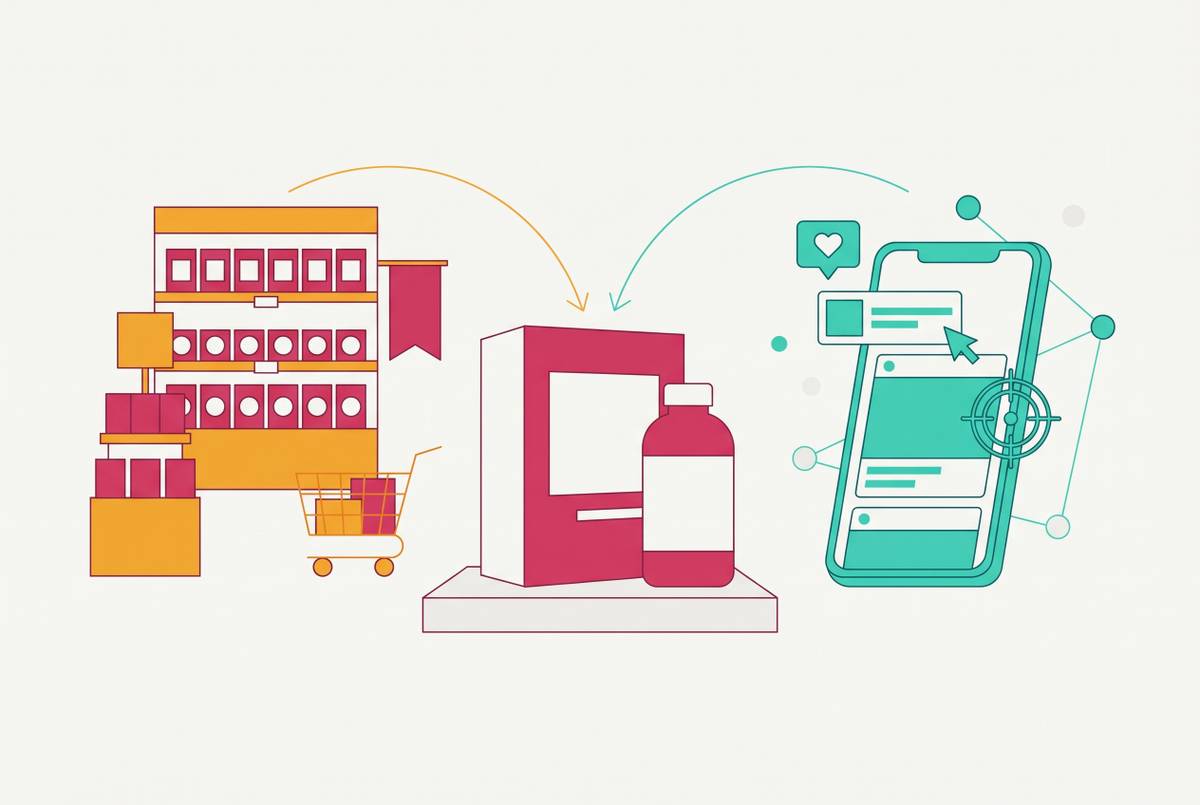
Trade marketing secures shelf space; digital builds the desire to buy from it.
AI Model Comparisons·
Each engine's architecture shapes which sources get cited and why visibility varies by platform.
Company & Identity Positioning·
Know the six concrete signs your brand has become a business constraint.
Company & Identity Positioning·
Brand mentions in AI answers matter far more than backlinks in the new search era.
Bots as a New Buyer Class·
AI bots ignore noindex; robots.txt is your only control lever.
Phantomstory as Infrastructure·
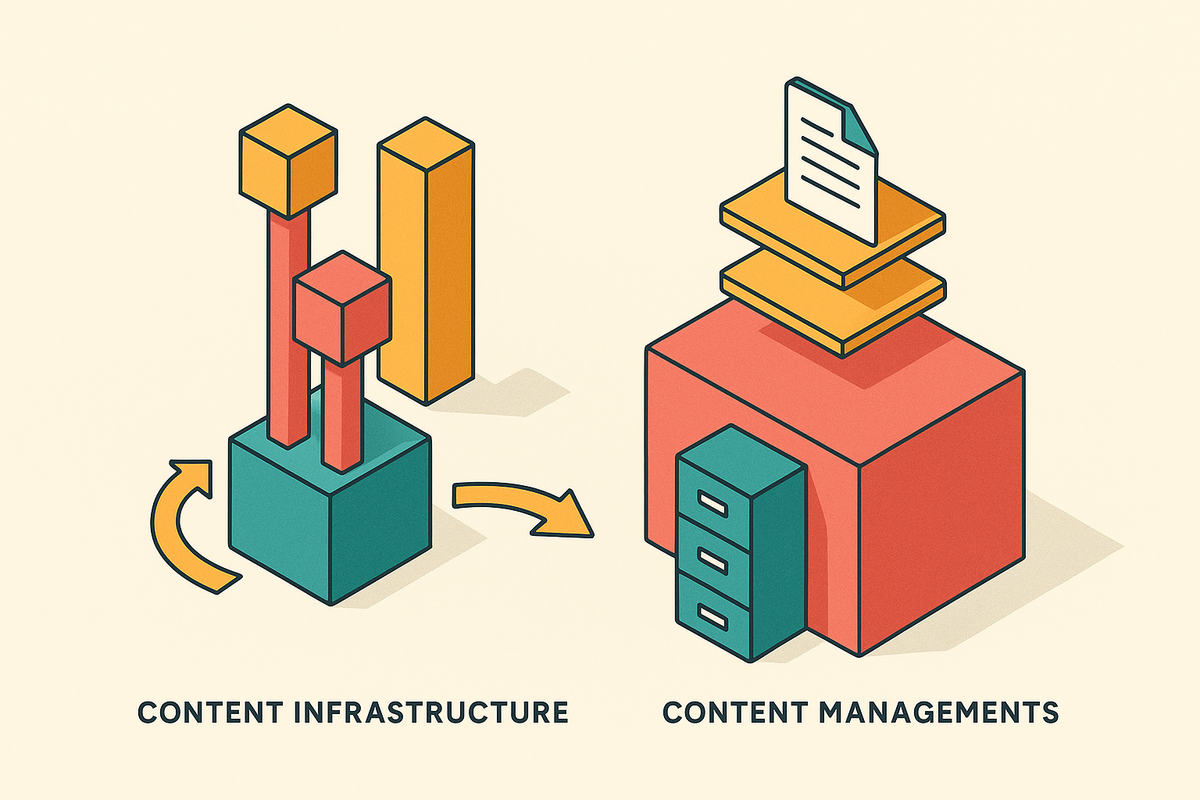
Why your CMS can't deliver content where customers actually search anymore.
Bots as a New Buyer Class·
AI systems skip brands with hidden or scattered pricing entirely, not just ranking them lower.
Bots as a New Buyer Class·
Retailers must optimize product data and pricing for AI agents, not human shoppers.
Bots as a New Buyer Class·
AI agents now make real purchases—and they don't use emotion to decide.
Bots as a New Buyer Class·
Brands racing to sell through AI agents must rebuild their entire marketing infrastructure.
Proof Over Persuasion·
Shares and bounce rate mislead marketers comparing long-form and short-form content.
Defining Computational Marketing·
Algorithms now reward audience fit and watch time over follower counts and volume.
Defining Computational Marketing·
How to stop justifying campaigns after launch and actually plan them on data first.
Defining Computational Marketing·
How brands are measuring marketing impact without relying on broken tracking data.